.png?width=500&height=500&name=Untitled%20-%20April%2010%2c%202025%20at%2022.44.33%20(1).png "PPS Logo")
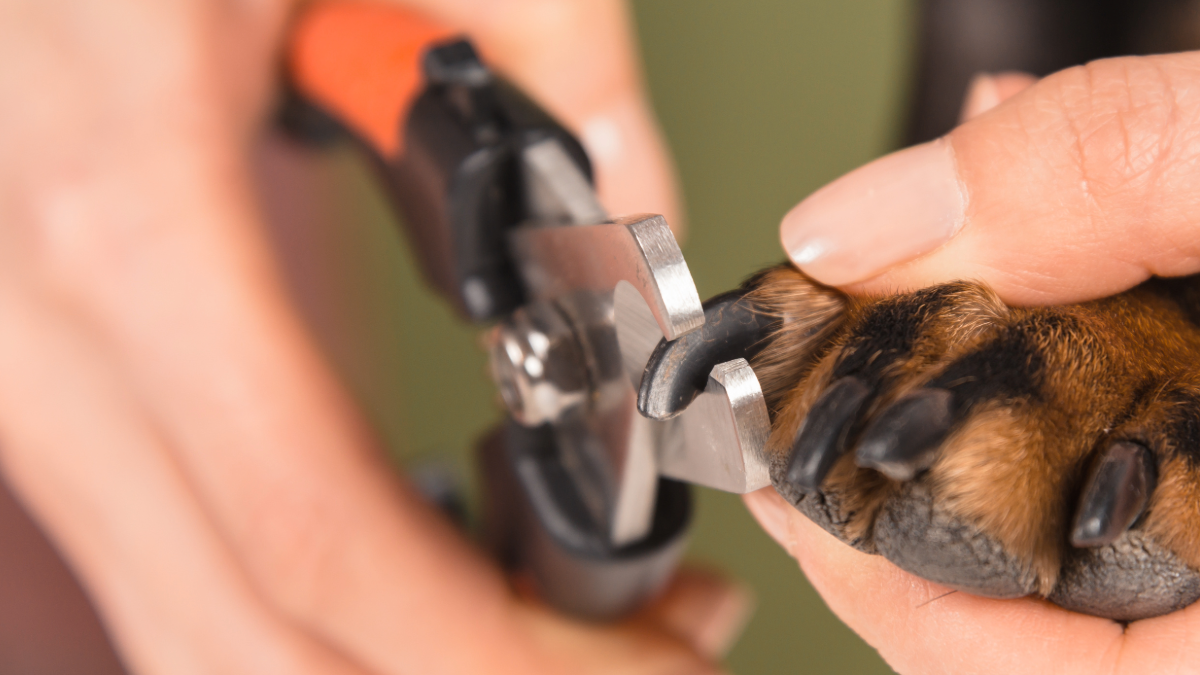
Your dog’s nails may seem like a small part of their grooming routine, but keeping them at a healthy length can affect how comfortably they walk, stand, and move.When nails become excessively long, they can make normal movement uncomfortable, catch on surfaces, split, or place unnecessary pressure on the toes and paws. Regular nail maintenance can help prevent nails from reaching that point—and it also gives you an opportunity to notice changes in your dog’s paws before they become bigger problems.
The good news is that nail care doesn’t have to begin and end with clipping. Even if you prefer having a professional trim your dog’s nails, there are several things you can do at home to support healthier nails and make future appointments easier.
Table of Contents
- Why Dog Nail Health Matters
- How to Tell If Your Dog’s Nails Are Too Long
- How Often Should Dog Nails Be Trimmed?
- Check Your Dog’s Paws Regularly
- Help Your Dog Get Comfortable With Paw Handling
- Choose the Right Nail-Care Tools
- Understanding the Quick
- How to Trim Dog Nails at Home
- What to Do If You Cut the Quick
- How Walking and Exercise Affect Nail Length
- When to Use a Professional Nail Trimming Service
- Nail Trimming vs. a Pet Pedicure
- Frequently Asked Questions
Why Dog Nail Health Matters
A dog’s nails are part of the paw and interact with the ground every time the dog stands, walks, runs, or changes direction.
When nails become excessively long, they may contact the ground differently and can interfere with comfortable paw placement. Long nails are also more likely to snag on carpet, bedding, furniture, or outdoor surfaces.
Overgrown nails can potentially:
- Make walking uncomfortable
- Change how the paw contacts the ground
- Catch or snag on surfaces
- Crack or split
- Make smooth floors more difficult for some dogs to navigate
- Become increasingly difficult to shorten in a single trimming session
Regular maintenance is much easier than waiting until the nails become severely overgrown.
How Can You Tell If Your Dog’s Nails Are Too Long?
There isn't one perfect nail length for every dog. Nail shape, paw structure, activity, age, and the surfaces a dog regularly walks on can all make a difference.However, there are several signs worth watching for.
You Hear Nails Clicking on Hard Floors
Frequent clicking can be an indication that the nails are becoming long enough to contact the floor while your dog walks.
The Nails Extend Well Beyond the Paw
Look at your dog's paws while they are standing naturally. Nails that extend substantially beyond the toes may need attention.
Nails Are Beginning to Curve
A nail that continues growing can begin curving toward the paw.
Your Dog Is Snagging Their Nails
Repeatedly catching nails on blankets, rugs, furniture, or other materials is another reason to inspect them.
The Dewclaws Are Getting Long
Dewclaws deserve special attention because they may not contact the ground enough to receive the natural wear that other nails sometimes get.
Check them every time you inspect the rest of your dog's paws.
How Often Should You Trim Your Dog’s Nails?
There is no universal schedule.Some dogs need nail maintenance relatively frequently, while others naturally wear down portions of their nails through regular activity on harder surfaces.Factors that can affect how quickly nails need attention include:
- Nail growth rate
- Age
- Activity level
- Walking surfaces
- Nail shape
- Lifestyle
- Whether the dog regularly walks on pavement or mostly grass
- Previous nail length
Instead of relying exclusively on the calendar, inspect your dog's nails regularly.That allows you to adjust the schedule to the individual dog.If the nails have already become significantly overgrown, don't assume they can safely be returned to an ideal length during one aggressive trim. The sensitive tissue inside the nail can extend farther into an overgrown nail, making gradual maintenance important.
Make Paw Checks Part of Your Routine
Nail maintenance provides a good reason to look at your dog's entire paw.
A quick at-home paw check can include looking at:
Nails: Check their length and look for cracking, splitting, or unusual changes.
Dewclaws: Make sure they haven't become excessively long or curved.
Paw pads: Look for visible cuts, irritation, foreign material, or unusual changes.
Between the toes: Check for debris or anything obviously caught between them.
Paw hair: Excess hair around the pads may require grooming depending on the dog.
If you notice bleeding, swelling, significant pain, a damaged nail, persistent limping, discharge, or another concerning change, routine grooming may not be appropriate. Contact your veterinarian for guidance.
Help Your Dog Become Comfortable With Paw Handling
One of the most useful things you can do at home doesn't involve trimming a nail at all.Teach your dog that having their paws touched is a normal experience.Start during a calm moment. Briefly touch a leg or paw, then release it. As your dog becomes comfortable, gradually progress to holding the paw and gently touching individual toes and nails.
Keep sessions short and positive.
The goal isn't to restrain your dog until they tolerate it. You want repeated, manageable experiences that help paw handling become familiar.You can also gradually introduce the grooming equipment without immediately using it.
For example:
- Let your dog see the nail tool.
- Reward calm behavior around it.
- Hold a paw while the tool is nearby.
- Touch the tool gently near a nail without cutting.
- Progress gradually when your dog remains comfortable.
This preparation can help whether you eventually trim the nails yourself or use a professional.
Choose the Right Dog Nail-Care Tools
If you're maintaining nails at home, use equipment designed for the job.Common options include:
Dog Nail Clippers
Dog nail clippers are available in different styles and sizes. Choose a tool appropriate for your dog's nail size and keep the cutting surface in good condition.A dull or inappropriate tool can make the process more difficult.
Nail Grinder
A pet nail grinder or rotary filing tool removes smaller amounts of nail gradually rather than making one cut.Some owners prefer the additional control, while some dogs need time to become comfortable with the sound and vibration.
Styptic Powder
Keep a pet-appropriate styptic product nearby before beginning a nail trim in case the quick is accidentally cut.Having it ready is much better than trying to find it after bleeding starts.
Understanding the Quick
Inside each nail is sensitive living tissue commonly called the quick. It contains blood vessels and nerves.Cutting into it can cause pain and bleeding.On dogs with lighter nails, the quick may be easier to see through the nail. Dark nails can make identifying it more difficult.This is one reason taking small amounts at a time is safer than attempting a large cut. If you're uncertain where it is, stop rather than guessing.You don't have to finish every nail—or even one nail—just because you've started a grooming session.
How to Trim Your Dog’s Nails at Home
If your dog is comfortable with nail handling and you can confidently identify a safe amount to remove, work slowly.
1. Choose a Calm Environment
Use an area where you and your dog can remain stable and comfortable.
2. Examine the Nail First
Look at its shape, length, and condition before cutting.
3. Hold the Paw Securely but Gently
You need enough control to prevent sudden movement without creating an unnecessary struggle.
4. Remove a Small Amount
Conservative trimming reduces the risk of cutting too deeply.
5. Recheck Before Continuing
Don't automatically make another cut. Examine the nail again.
6. Stop If Your Dog Becomes Too Uncomfortable
A stressful wrestling match can make the next nail appointment considerably harder.
It is okay to complete only a few nails and continue later—or have a professional finish the job.
What Should You Do If You Accidentally Cut the Quick?
Even experienced people can occasionally trim a nail too closely.If the nail begins bleeding, remain calm. Use your pet-appropriate styptic product according to its directions and apply gentle pressure as appropriate.
Monitor the nail afterward. If bleeding doesn't stop, the nail appears significantly injured, your dog is experiencing substantial pain, or you're concerned about the injury, contact a veterinarian.Don't continue trimming simply because you planned to finish all four paws.
Can Walking Keep a Dog’s Nails Short?
Walking on harder surfaces can contribute to natural nail wear, but exercise shouldn't be treated as a replacement for checking your dog's nails.A dog spending more time on pavement may experience more natural wear than a dog primarily walking on grass or soft ground.Even then, wear may not be equal across every nail.Dewclaws are an obvious example because they generally receive little or no ground contact.Regular activity is beneficial for many reasons, but continue inspecting the nails regardless of how much your dog walks.
When Should You Use a Professional Nail Trimming Service?
At-home trimming isn't the right choice for every dog or every owner.Professional nail care may make sense when:
- You're uncomfortable identifying where to cut
- Your dog strongly resists nail trimming
- Your dog has dark nails that are difficult for you to assess
- The nails are significantly overgrown
- You aren't comfortable using clippers or a grinder
- Your dog needs a more structured handling approach
- You simply prefer having someone else maintain them
If a nail is injured, infected, bleeding without explanation, extremely painful, or associated with limping or another medical concern, start with a veterinarian rather than treating it as a routine grooming appointment.
Professional Nail Trimming With Premier Pet Services
Premier Pet Services offers professional nail trimming for $15 per pet, with convenient service options for eligible South Florida clients.
For pet parents who would rather not clip nails themselves, routine professional appointments can help keep nail maintenance from turning into an occasional emergency.
<a id="></a>
Nail Trimming vs. a Pet Pedicure
A basic nail trim focuses on shortening the nails.A pet pedicure adds filing or grinding to help smooth the edges after the nails have been shortened.This can be useful for pet parents who prefer a smoother finish, particularly when freshly trimmed nails initially feel sharp.
Premier Pet Services offers both Nail Trimming and Pet Pedicure services, allowing you to choose the level of nail maintenance that fits your pet.
Healthy Nail Care Starts With Consistency
You don't need to become a professional groomer to support your dog's nail health at home.Regularly inspect the paws. Help your dog become comfortable having their feet handled. Pay attention to changes in nail length. Use appropriate tools if you choose to trim at home, and know when to stop. Most importantly, don't wait until nails are severely overgrown before thinking about them.
A consistent routine—whether maintenance happens at home, professionally, or through a combination of both—can make nail care much more manageable for you and your dog.
Need help maintaining your dog's nails?
Premier Pet Services offers professional nail trimming and pet pedicure services for eligible clients.
Frequently Asked Questions About Dog Nail Care
How do I know when my dog’s nails need trimming?
Check your dog's nails regularly rather than relying on a fixed schedule. Signs that they may need attention include frequent clicking on hard floors, nails extending well beyond the paw, curving nails, or repeated snagging on fabrics and other surfaces.
How often should I trim my dog’s nails?
Frequency varies by dog. Nail growth, activity, age, walking surfaces, and natural wear can all affect how frequently maintenance is needed.
Can walking on pavement naturally file my dog’s nails?
Hard surfaces can contribute to natural wear, but they don't necessarily keep every nail at an appropriate length. Continue checking all nails, particularly the dewclaws.
Is it safe to trim black dog nails at home?
Dark nails can make the quick more difficult to see. If you choose to trim them at home, work conservatively and remove only small amounts. If you're unsure where it is safe to cut, professional trimming is a better option than guessing.
What happens if I cut my dog’s nail too short?
Cutting into the quick can cause pain and bleeding. Keep a pet-appropriate styptic product available when trimming nails. Seek veterinary guidance if bleeding doesn't stop or the nail appears significantly injured.
Should I use dog nail clippers or a grinder?
Either may be appropriate depending on the dog and the person's comfort using the tool. Clippers shorten the nail with a cut, while grinders gradually file the nail. Some dogs need gradual introduction to a grinder's sound and vibration.
What is the difference between a nail trim and a pet pedicure?
A nail trim shortens the nails. A pet pedicure can include trimming followed by filing or grinding to create a smoother finish.
Does Premier Pet Services offer dog nail trimming?
Yes. Premier Pet Services offers professional nail trimming for $15 per pet, as well as pet pedicure services for clients who want trimming plus additional filing or grinding.
Comments